Skin DiseasesCalluses and Corns: Causes, Symptoms & Treatment

Calluses and Corns: Causes, Symptoms & Treatment in Lithuania

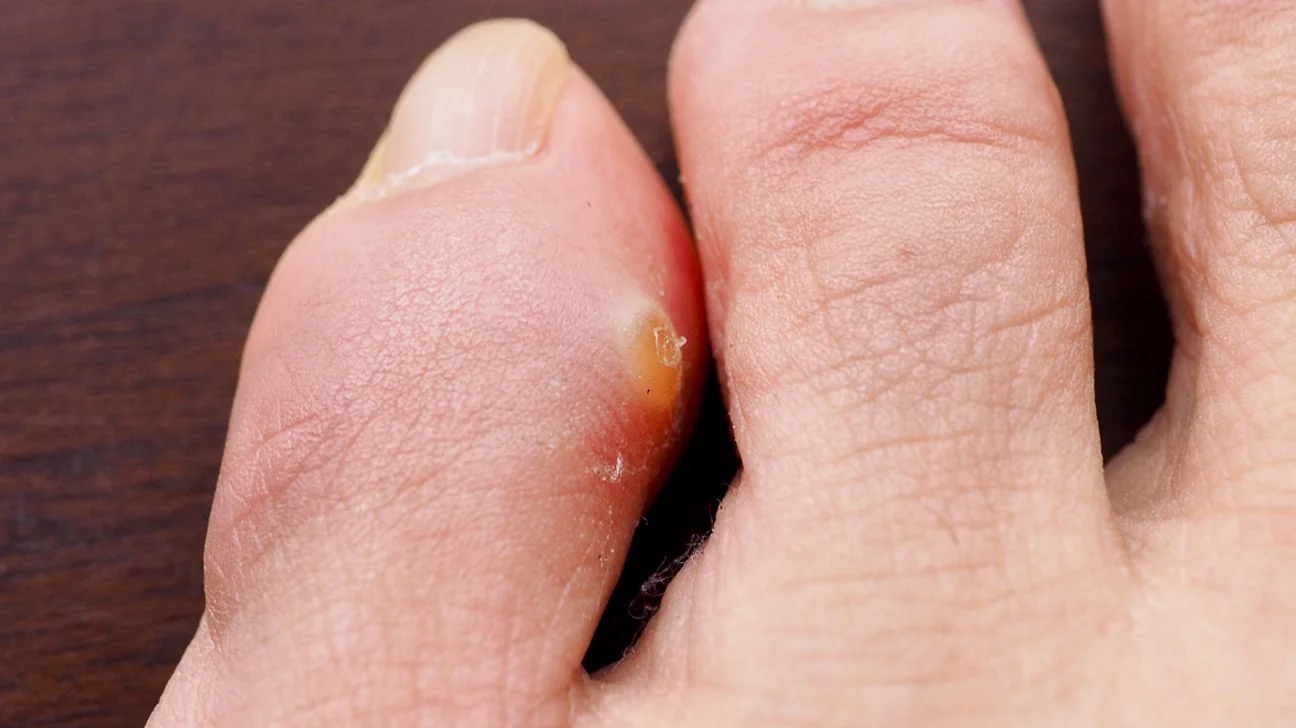
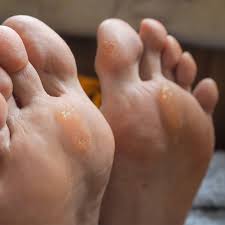
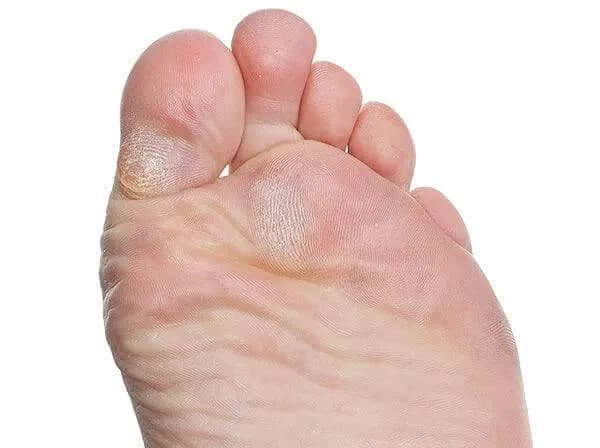
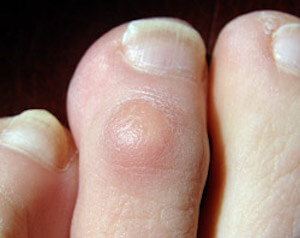
Thickened yellowish callus on the sole of the foot near the base of a toe, formed by prolonged pressure.

Need an online dermatologist for calluses and corns in Lithuania? iDerma's doctors review your photos and reply within 24 hours — from 49 €.

Calluses and corns are common skin formations characterized by localized thickening and hardening of the skin caused by repeated friction or pressure.

They occur more often in:

  • Older adults and people with darker skin tones

  • Women, due to wearing tight or uncomfortable shoes

  • Areas exposed to bony protrusions that constantly press against hard surfaces


Clinical Features

Typical signs of calluses and corns include:

  • Localized hard, thickened, or cracked skin

  • Pain, redness, or swelling (especially with corns or cracked calluses)

  • Sometimes secondary infection

  • Usually develop in areas of repeated friction or pressure

Common locations:
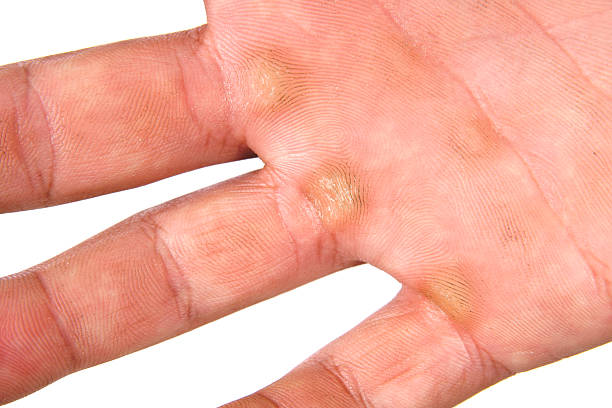
Palms, knuckles, sides of the feet, and soles.


Diagnosis

Diagnosis is made based on the clinical appearance and patient history. In most cases, no additional testing is required.


Treatment

The main goal of treatment is to reduce pressure and trauma to the affected skin area. A dermatologist creates an individual treatment and prevention plan.
Effective management may include:

  • Application of special creams or balms to soften the skin

  • Mechanical exfoliation (filing or using a pumice stone), ideally after soaking the affected area in warm water for about 10 minutes

  • Removal of the central core (in corns) with a specialized instrument

  • Wearing comfortable, non‑tight shoes

  • Using protective gloves during repetitive manual work

  • Separating the toes with soft cotton, wool, or orthopedic spacers to reduce friction

  • If the skin is cracked – applying protective dressings, moisturizing creams, or antibiotic ointments in case of infection

Proper daily skin care, wearing well‑fitted footwear, and avoiding prolonged friction are the best ways to prevent recurrence.

Still unsure?

A dermatologist writes a plan made for your skin.

Not another off-the-shelf cream — a certified specialist’s diagnosis and personal treatment plan, within 24 hours.

Start your consultation
Personal treatment plan
24h
Diagnosis
Treatment plan
Prescriptions
iDerma
Board-certified dermatologist

Article by

Anna Tunkeviča

Medical content reviewed by

Justina Musė(Dermatologist)

Our other articles

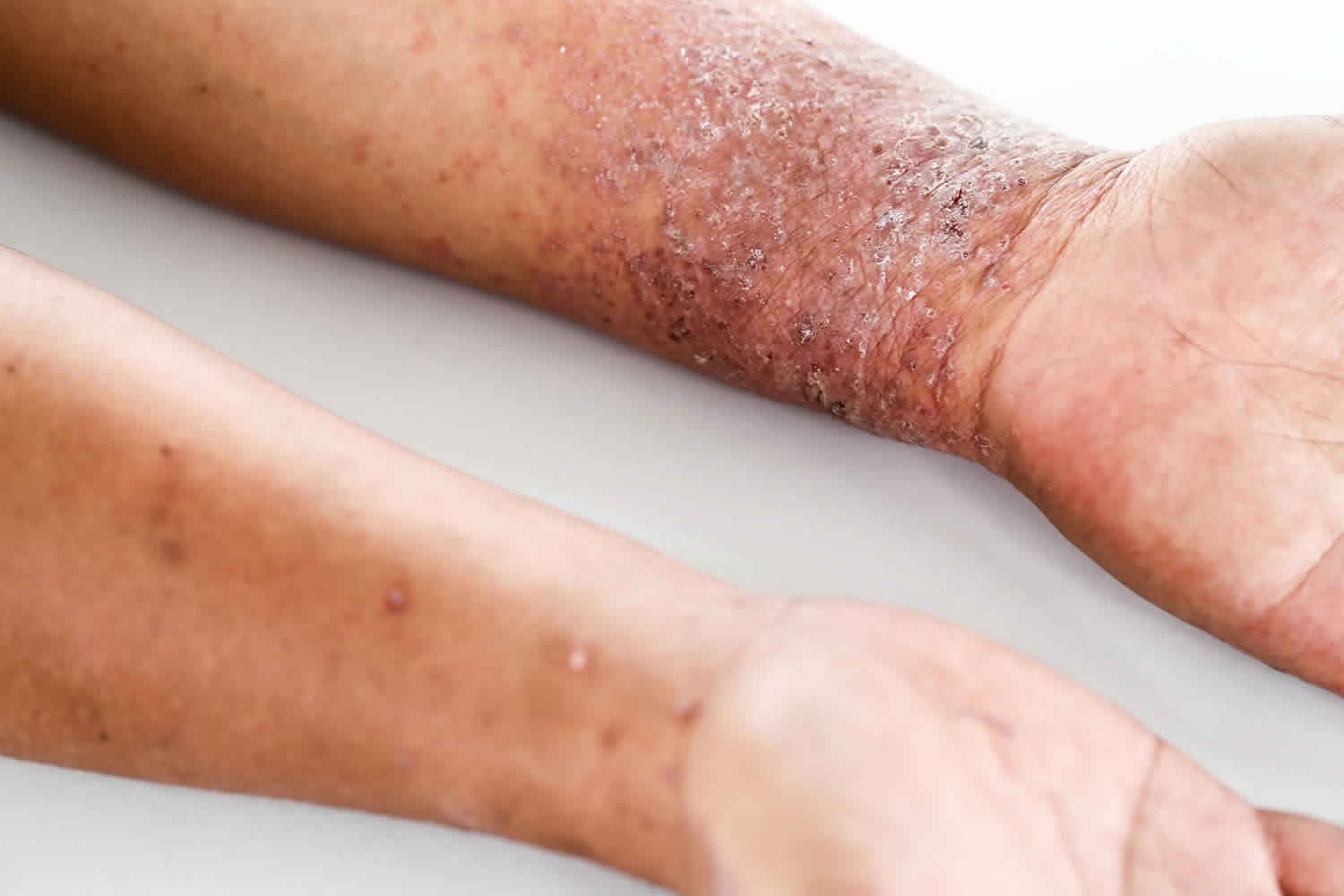
Red, scaly and inflamed skin of atopic dermatitis on the forearm and wrist

Atopic dermatitis: how to recognize, treat, and care for your skin

Atopic dermatitis is a chronic skin condition causing dryness and itching. Learn about symptoms, triggers, and effective treatments for lasting relief.
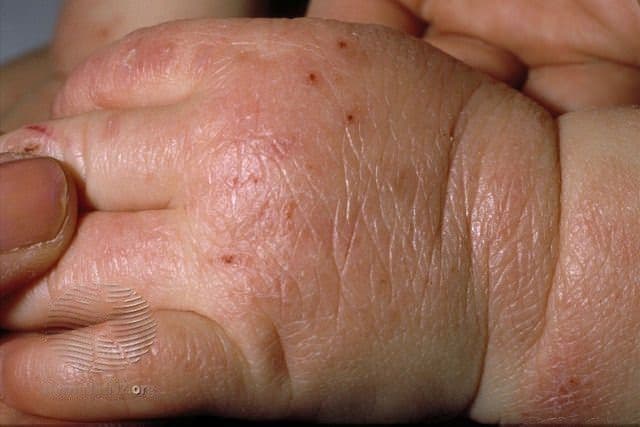
A child's hand with dry, rough and reddened skin showing signs of atopic dermatitis on the hand.

Atopic dermatitis in children: causes, symptoms, and effective care

Atopic dermatitis in children causes dry, itchy skin and frequent flare-ups. Learn how to manage eczema, reduce irritation, and keep your child’s skin healthy.
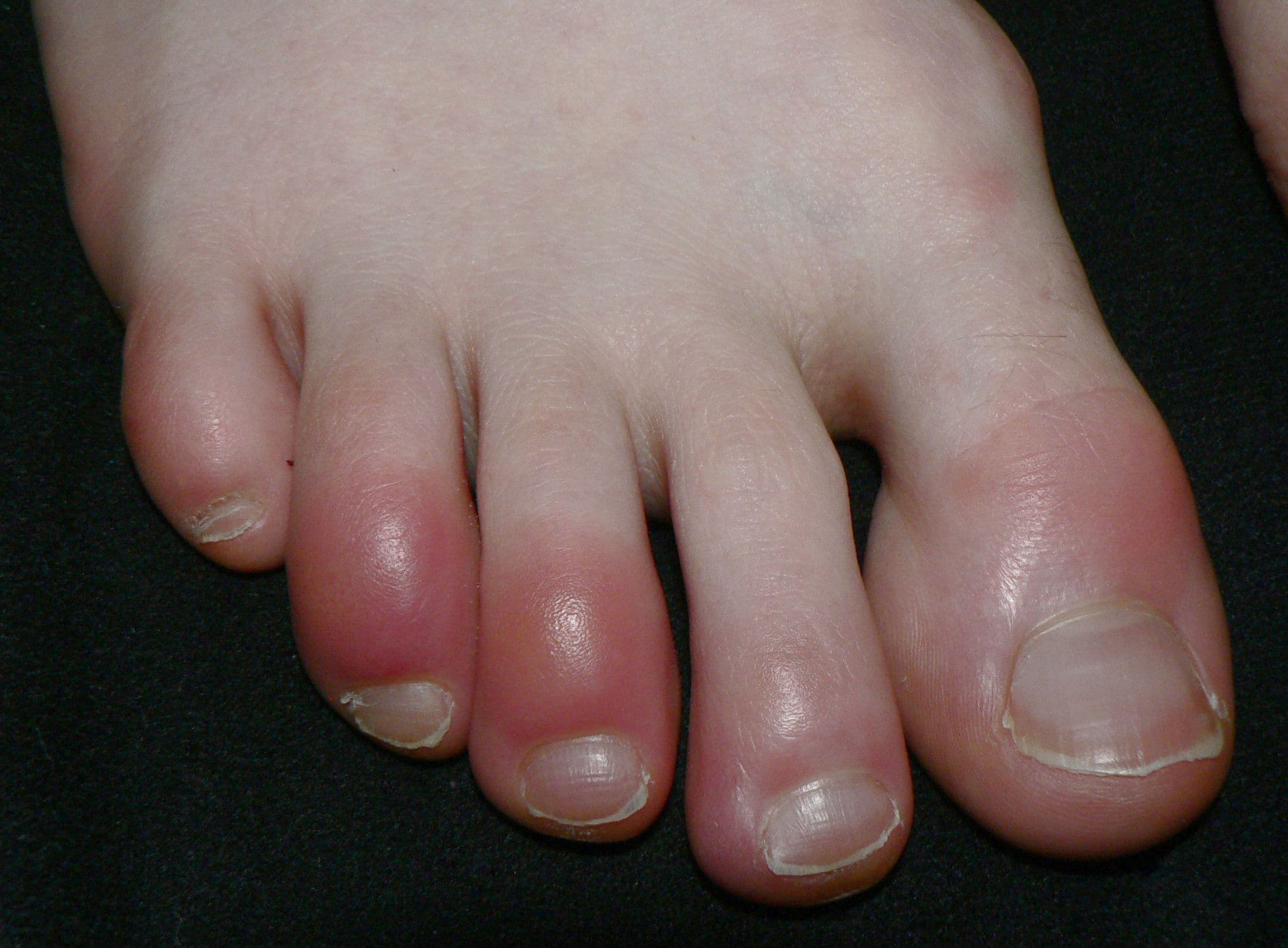
Red, swollen toes showing signs of chilblains (perniosis) caused by exposure to cold.

Chilblains (pernio)

Pernio is a pathological skin condition characterised by redness or swelling of the skin caused by exposure to low temperatures, high humidity and sudden changes in temperature.
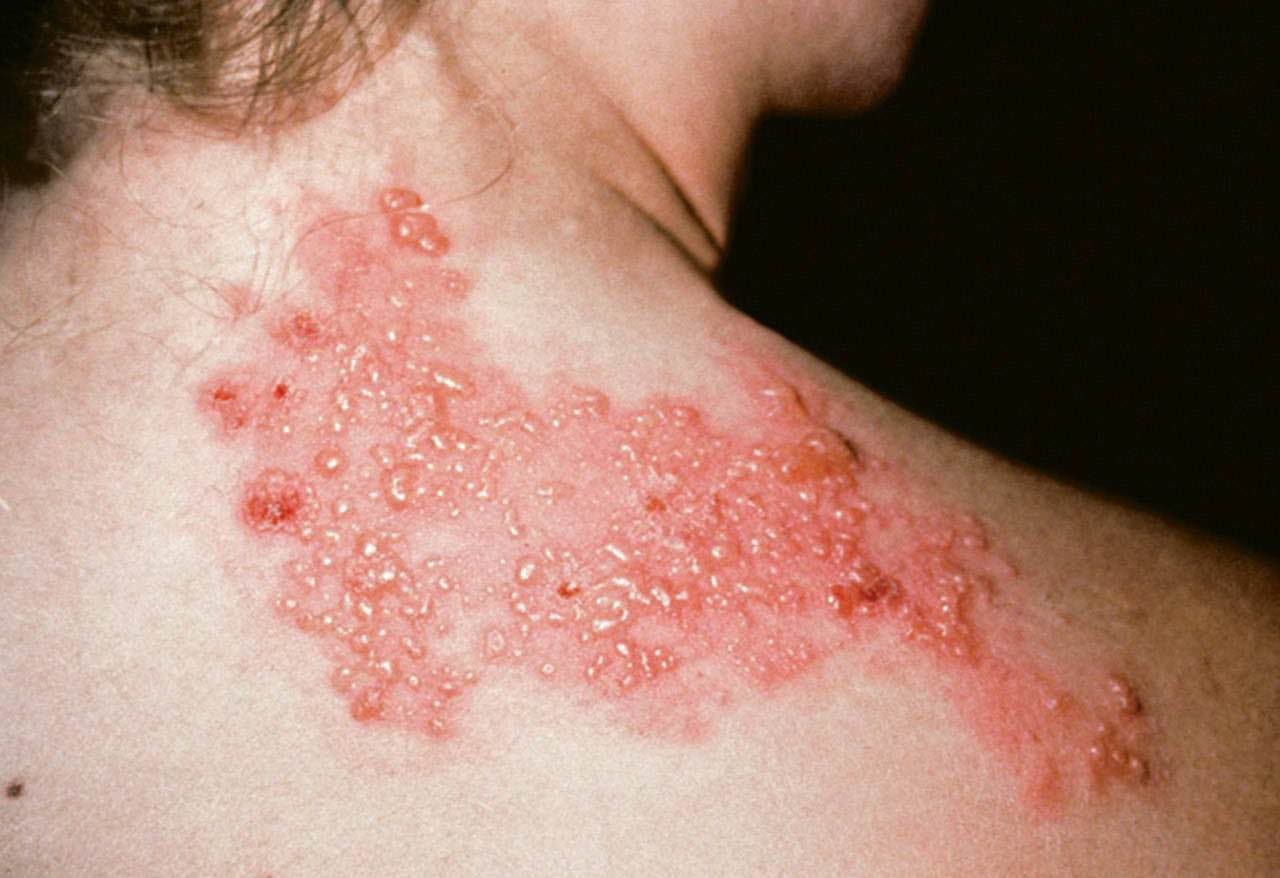
Clustered herpes zoster vesicles with redness spreading across the neck and shoulder

Shingles (shingles)

Shingles is a viral disease caused by Varicella zoster and characterised by a painful herpetic rash in groups along a nerve course.