Introduction
Chilblains (Latin: Pernio) is a skin condition that occurs due to exposure to low temperatures and high humidity. This condition most commonly appears during winter and can cause discomfort and complications if not properly treated. Although chilblains are quite common, the exact mechanisms that lead to their occurrence are not yet fully understood. It is believed that they develop due to an abnormal vascular response to cold exposure, especially during rapid warming.
What is it?
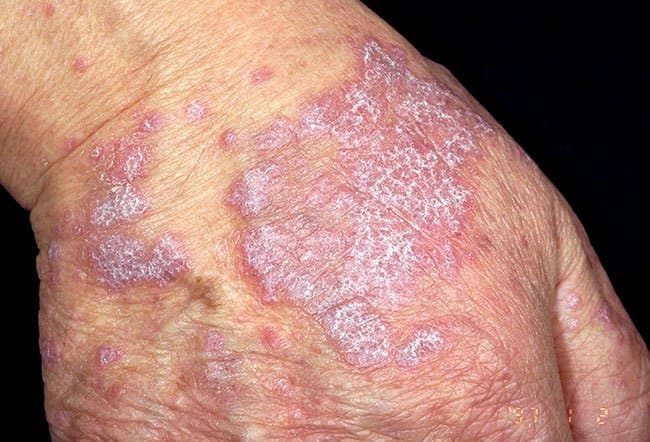
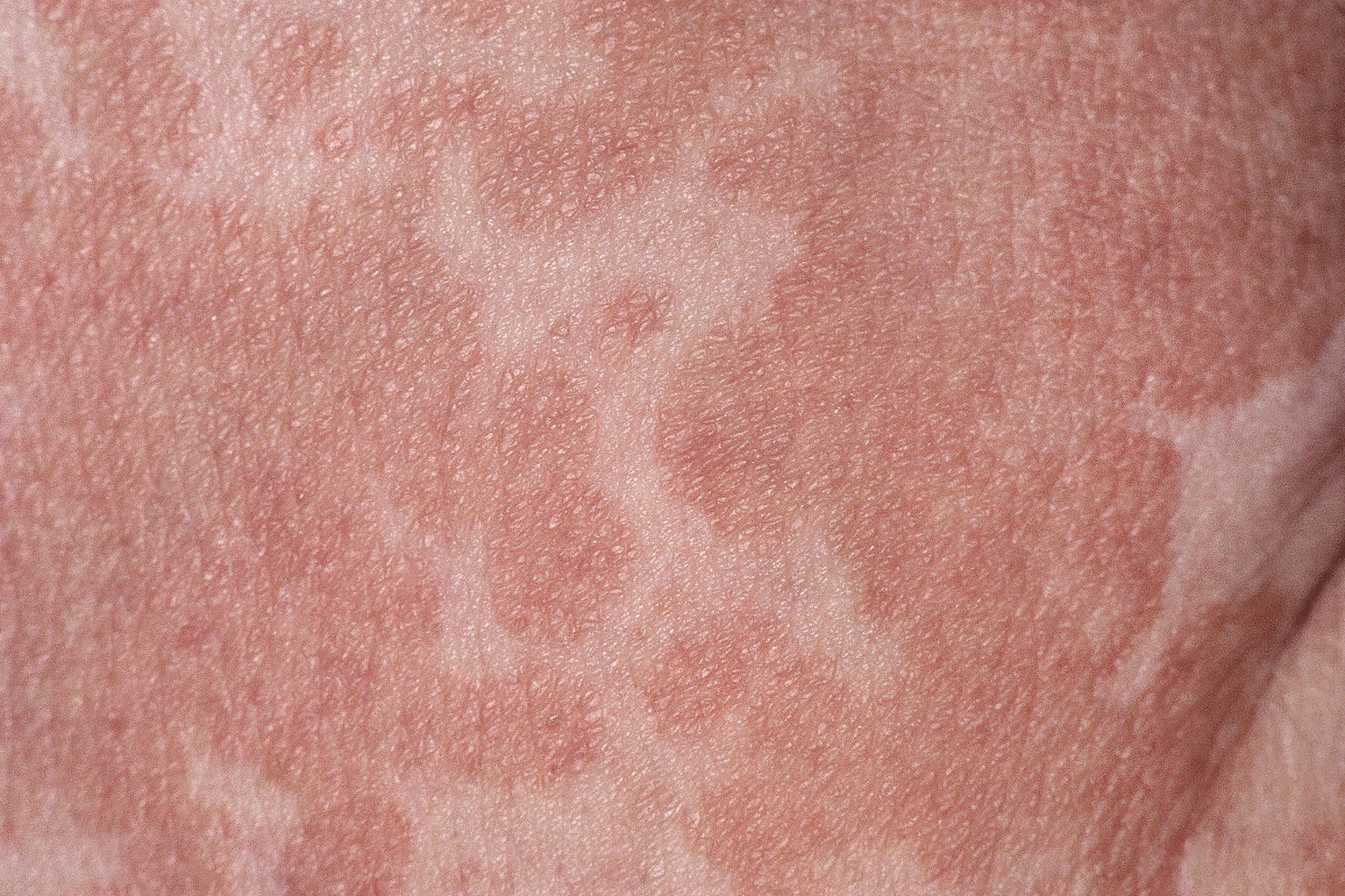
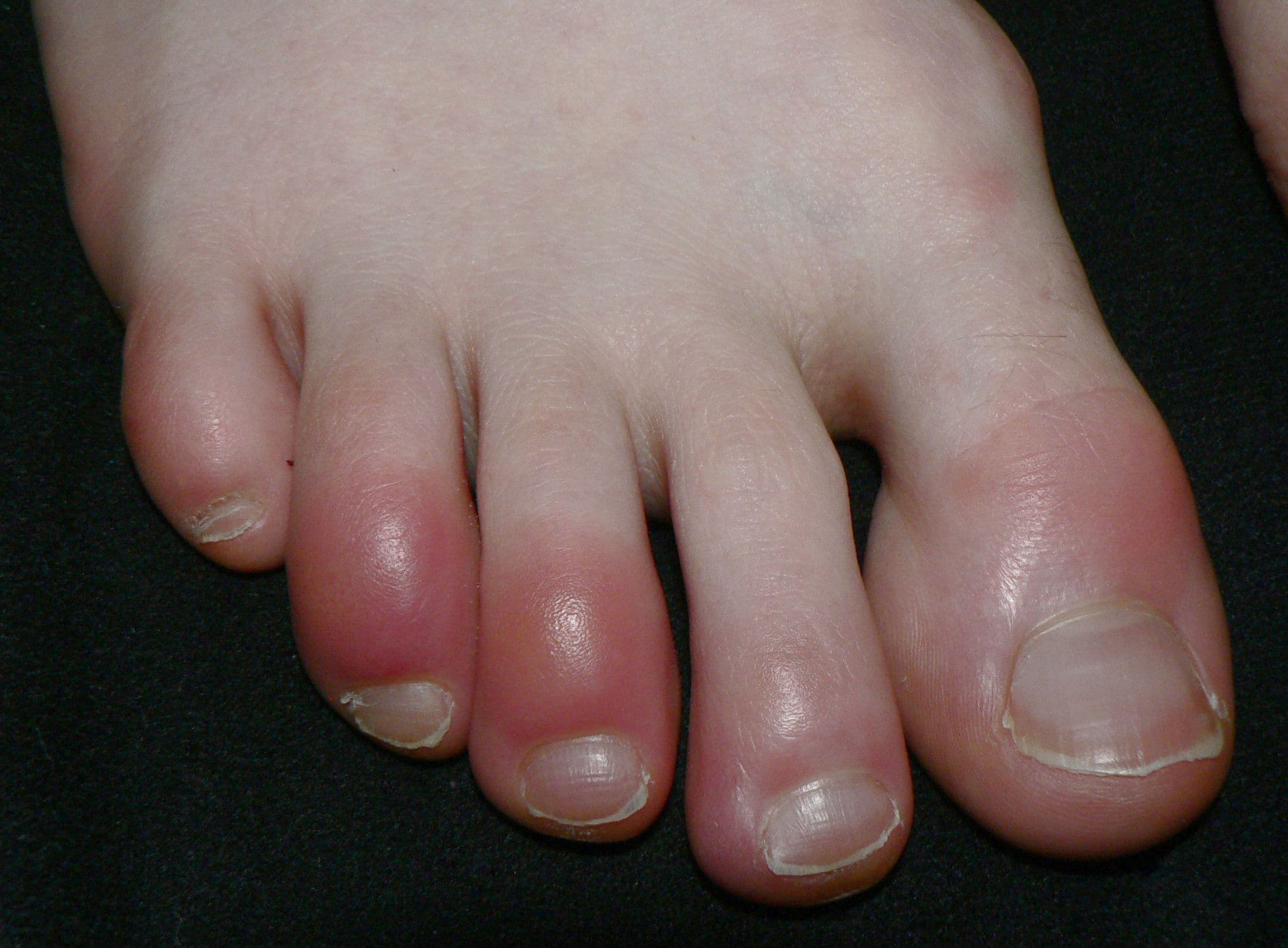
Chilblains manifest as redness or blueness of the skin, usually occurring on body areas most exposed to cold. These can include hands, feet, face, or ears. Skin damage develops due to vascular spasm and subsequent rapid warming, when small blood vessels dilate faster than larger ones, causing inflammation.
Causes and Risk Factors
There are many factors that can increase the risk of chilblains. These include:
- Low body weight
- Increased sweating
- Female gender (young and middle-aged women are prone to chilblains)
- Impaired circulation due to other diseases
- Cold and damp weather
- Smoking
- Hormonal changes, such as during pregnancy
Symptoms
Chilblains present with several distinct symptoms, including:
- Red or purple patches
- Itching and pain
- Swelling and burning sensation
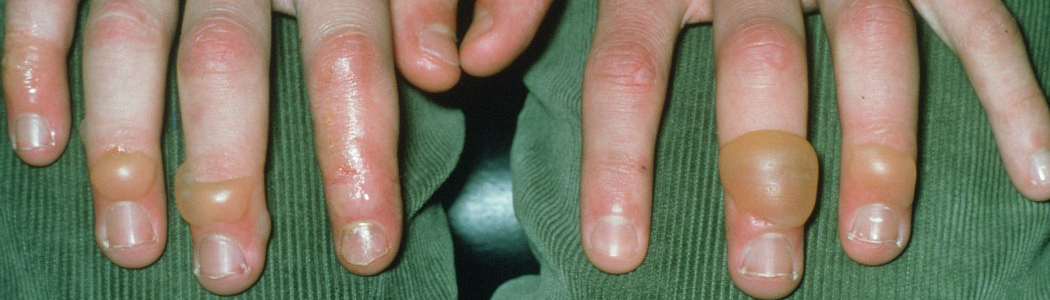
- Blisters and ulcers that may become infected
- Dry, flaky skin
Symptoms usually appear 12-24 hours after exposure to cold.
When to See a Doctor?
It is recommended to see a doctor if you experience:
- Very severe pain
- Reduced skin sensitivity
- Suspected infection
- Persistent worsening of the condition not improving within one or two weeks
If symptoms persist even during warmer seasons or become recurrent, it is necessary to consult a doctor to determine possible other issues.
Our clinic's dermatologists help accurately diagnose, assess severity, and select an individual treatment and care plan. Consultations are available in person or online, allowing you to quickly clarify the diagnosis and choose the most appropriate treatment strategy.
Diagnosis
Diagnosis of chilblains is usually made during a clinical examination, based on external symptoms and patient history. The doctor may perform additional tests if another cold-related problem is suspected.
Treatment
The main treatment for chilblains involves gradually warming the affected areas, avoiding sudden temperature changes. It is not advisable to massage or rub the affected areas, and direct heat sources should be avoided. It is recommended to drink hot beverages to warm the entire body.
ARTICLE_GIF
It is important to avoid cold exposure and keep the skin warm but dry. Warm baths above 10 degrees Celsius for a short time or applying lotions and creams that help care for the skin can be used.
Care and Prevention
Prevention of chilblains involves avoiding exposure to cold weather and dressing appropriately. It is recommended to:
- Dress in several layers of loose clothing
- Wear mittens with cotton lining
- Wear wool socks and waterproof footwear
- Use greasy creams or ointments in open air, avoiding water-based products
- Quit smoking and limit caffeine intake
Frequently Asked Questions
- How long do chilblains last? – Typically, chilblains disappear within a few weeks if properly cared for.
- Can chilblains become complicated? – Yes, they can become complicated by infection if the skin is not properly cared for.
- How to prevent chilblains? – By avoiding cold, dressing warmly, and using protective creams.
- Is a doctor's help needed for mild chilblains? – In most cases, mild chilblains can be treated at home, but in case of complications, it is necessary to consult a doctor.
Conclusions
Chilblains are a common cold-weather-induced skin problem that can cause discomfort and potentially become complicated if not properly managed. The most important thing is to avoid prolonged cold exposure and properly care for the affected skin. If symptoms persist or worsen, it is necessary to see a doctor. Proper prevention and care help avoid chilblains, and our clinic's dermatologists can help create an individual treatment and prevention plan according to your needs and possibilities.