Introduction
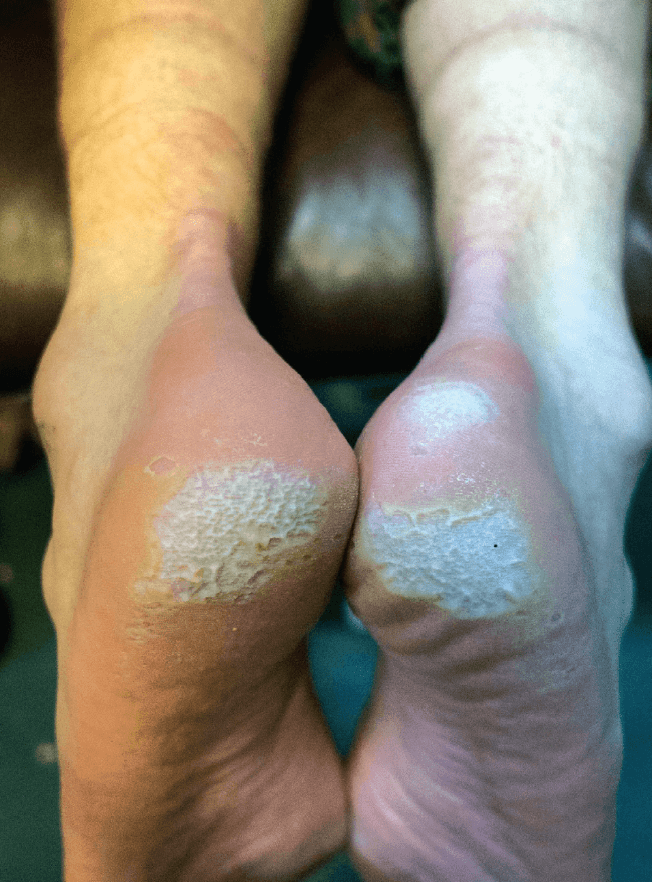
Pitted keratolysis is a non-inflammatory skin condition that most commonly affects the soles and, in rare cases, the palms. This condition manifests as small, pitted skin lesions often accompanied by an unpleasant odor. While the condition can be uncomfortable and inconvenient, effective symptom control can be achieved with proper treatment and care.
What is it?
Pitted keratolysis is a bacterial skin disease associated with the breakdown of the superficial layers of the skin. It most commonly affects individuals who wear non-breathable footwear and have a tendency to sweat profusely. This condition primarily affects the soles, but it is quite rare on the palms. The disease is characterized by skin changes that sometimes cause discomfort or itching.
Causes and Risk Factors
This condition is caused by bacterial enzymes that break down the keratin layer of the skin. The main bacteria responsible for this condition include Corynebacteria, Kytococcus, Dermatophilus congolensis, Actinomyces, and others. Various risk factors contribute to the disease:
- Frequent and excessive sweating
- Closed, non-breathable footwear
- Increased skin pH
- Obesity
- Diabetes
- Immunosuppressive conditions
Symptoms
The main symptoms of pitted keratolysis include:
- Unpleasant, strong odor from the affected areas
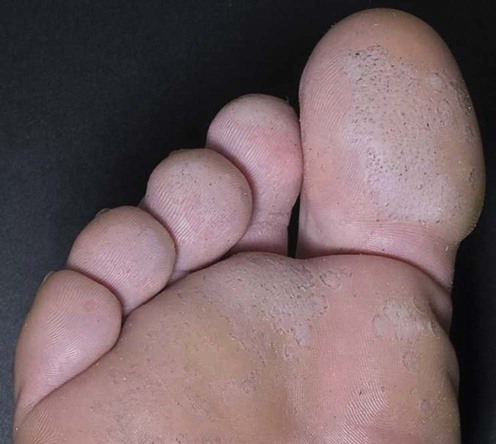
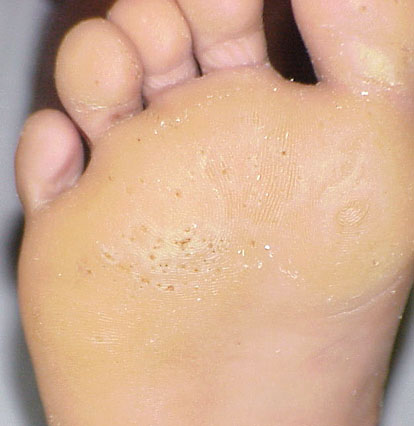
- Pitted, sometimes crater-like skin defects
- A sensation of pitted skin, with areas that may merge into larger lesions
- Commonly affected areas include the ball of the foot and heel regions
- Possible itching and pain, especially when walking
ARTICLE_GIF
When to See a Doctor?
If you notice the mentioned symptoms or experience discomfort that interferes with daily life, you should consult a dermatologist. Our clinic's dermatologists can help confirm the diagnosis, assess the severity of the condition, and prescribe an appropriate treatment and care plan. Consultations are available both in-person and online.
Diagnosis
The diagnosis of pitted keratolysis is based on the characteristic clinical appearance. In cases of widespread and merging skin lesions, additional tests may be conducted: examination with a Wood's lamp, microscopic examination, or a skin biopsy. These methods help differentiate the condition from other similar skin conditions.
Treatment
The treatment of pitted keratolysis involves the use of antibacterial cleansers and topical antibacterial agents, selected based on the prevalence of the disease. In some cases, injections may be prescribed to reduce sweating on the palms and soles.
Care and Prevention
To prevent the exacerbation of pitted keratolysis, it is important to follow certain care and prevention measures:
- Wear non-restrictive, "breathable" footwear
- Regularly change shoe insoles
- Avoid sharing footwear with others
- Wear socks made of natural fibers
- If the soles are affected, wash socks at a high temperature, around 60°C, to eliminate bacteria
- Consistently maintain foot hygiene
- Reduce excessive sweating using antiperspirants or injections
Conclusions
Pitted keratolysis, although often unpleasant due to odor and discomfort, is a treatable and manageable condition. Early diagnosis and appropriate treatment help prevent complications and improve quality of life. By carefully planning care and adhering to preventive measures, many patients can successfully manage this issue and maintain healthy, clean skin. If you encounter difficulties or have questions related to this condition, feel free to contact our clinic's dermatologists for qualified assistance and advice.