Polycystic Ovary Syndrome (PCOS) is one of the most common hormonal disorders in women of reproductive age, affecting around 8% of this population. In over 90% of cases, PCOS is associated with visible skin changes. Recognizing these symptoms early can help diagnose PCOS sooner and initiate effective treatment.
What is PCOS?
PCOS is a condition where hormonal imbalance occurs, particularly with elevated levels of androgens (male hormones) in a woman’s body. This leads to disrupted ovulation, irregular menstrual cycles, and noticeable skin and hair changes. These dermatological symptoms are often the first signs of an underlying hormonal issue.
Common Skin Symptoms of PCOS
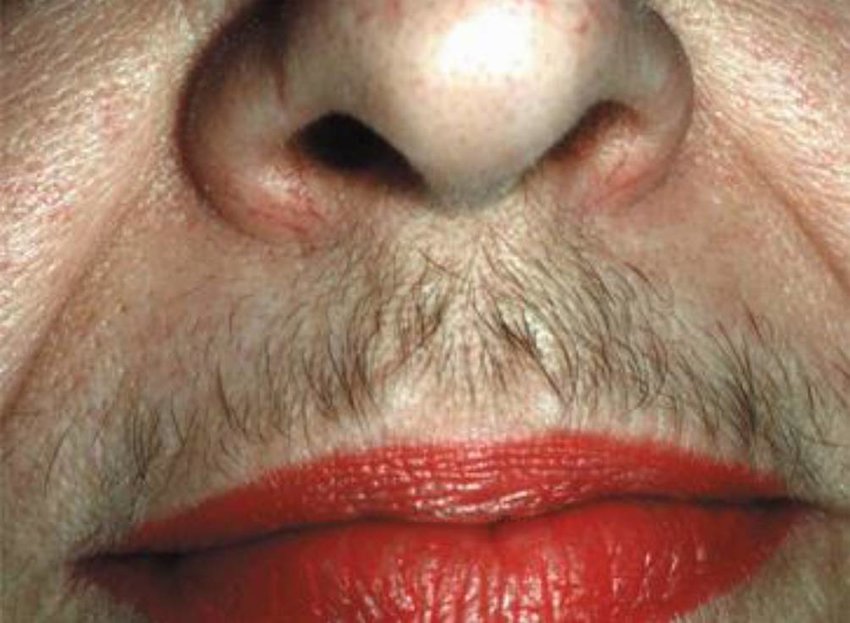
Hirsutism (Excess Hair Growth)
Up to 60% of women with PCOS experience excessive hair growth in areas not typical for females — such as the upper lip, chin, chest, abdomen, and back. This is caused by elevated androgen levels.
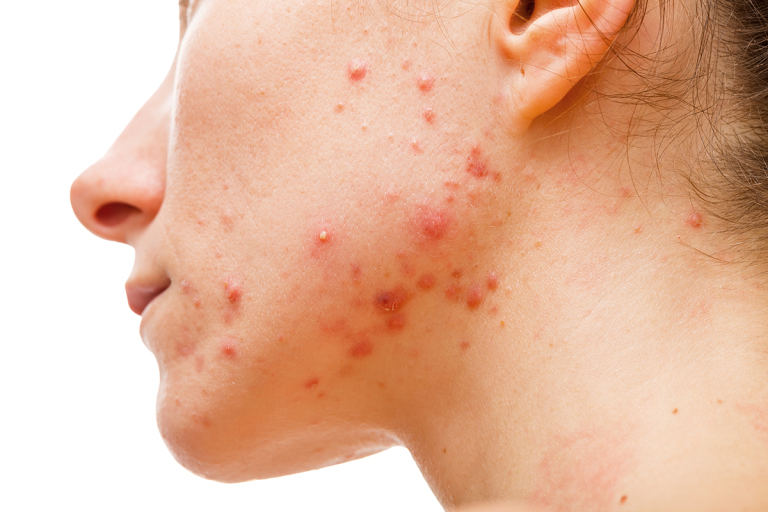
Acne
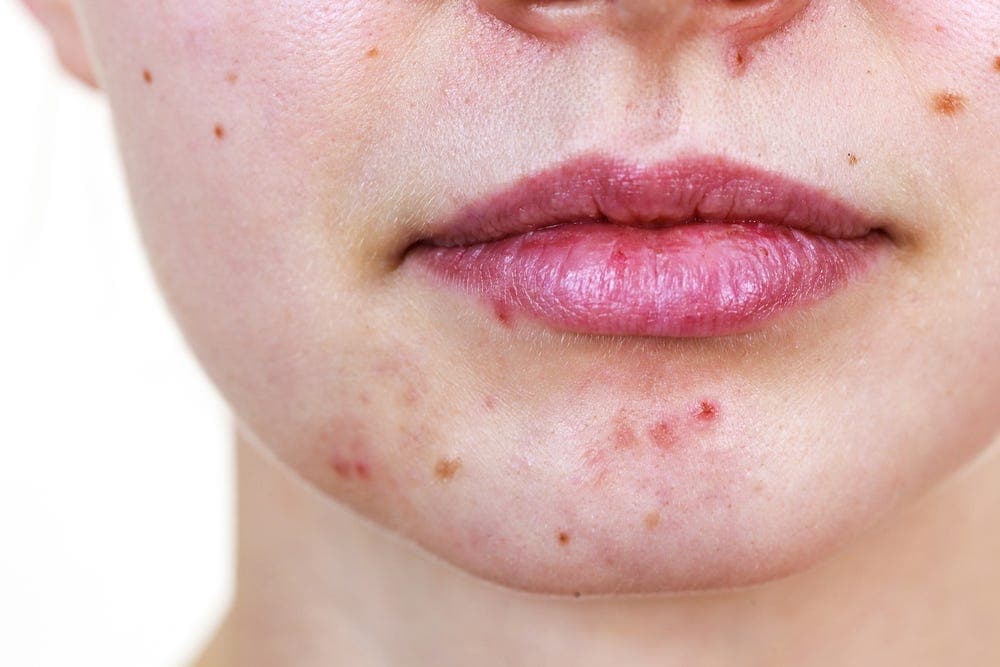
Hormonal acne appears most often on the lower part of the face (chin, jawline), neck, chest, and upper back. This type of acne is often chronic and more difficult to treat. It affects approximately 19–35% of women with PCOS.
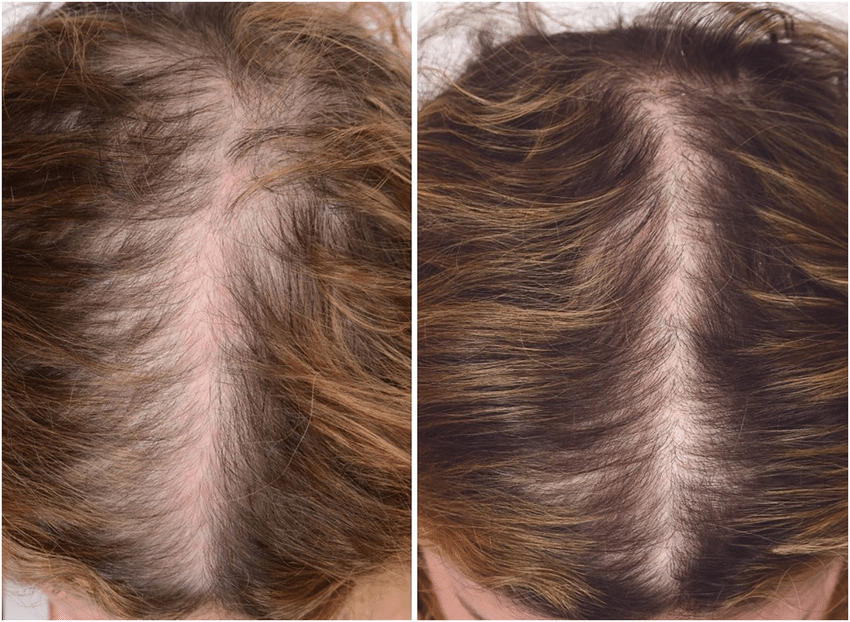
Androgenic Alopecia (Hair Thinning)
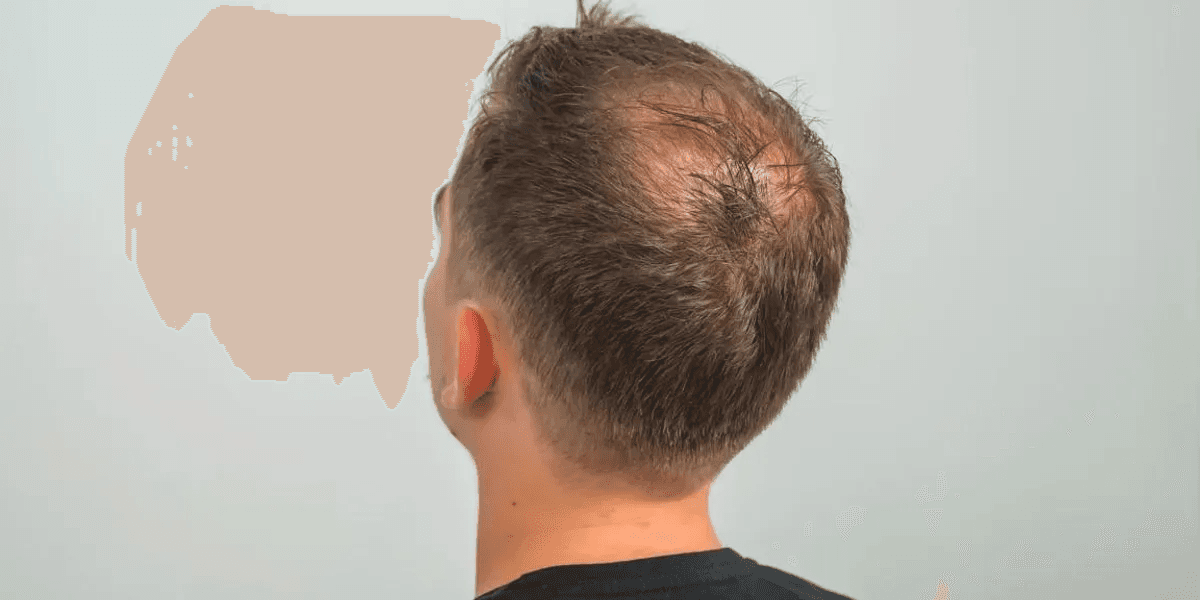
Progressive thinning of the hair, especially at the crown and temples. While it does not cause scarring, it can significantly affect self-confidence. Observed in about 5% of PCOS cases.
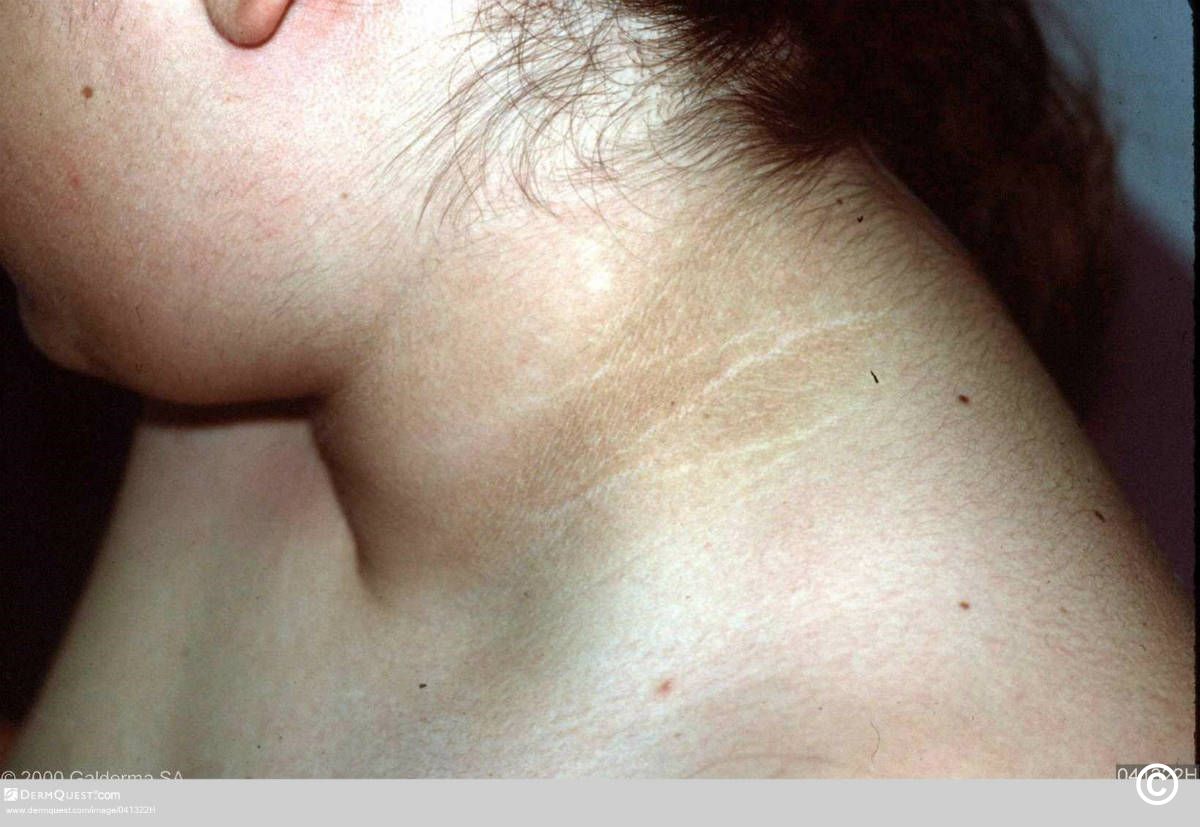
Acanthosis Nigricans
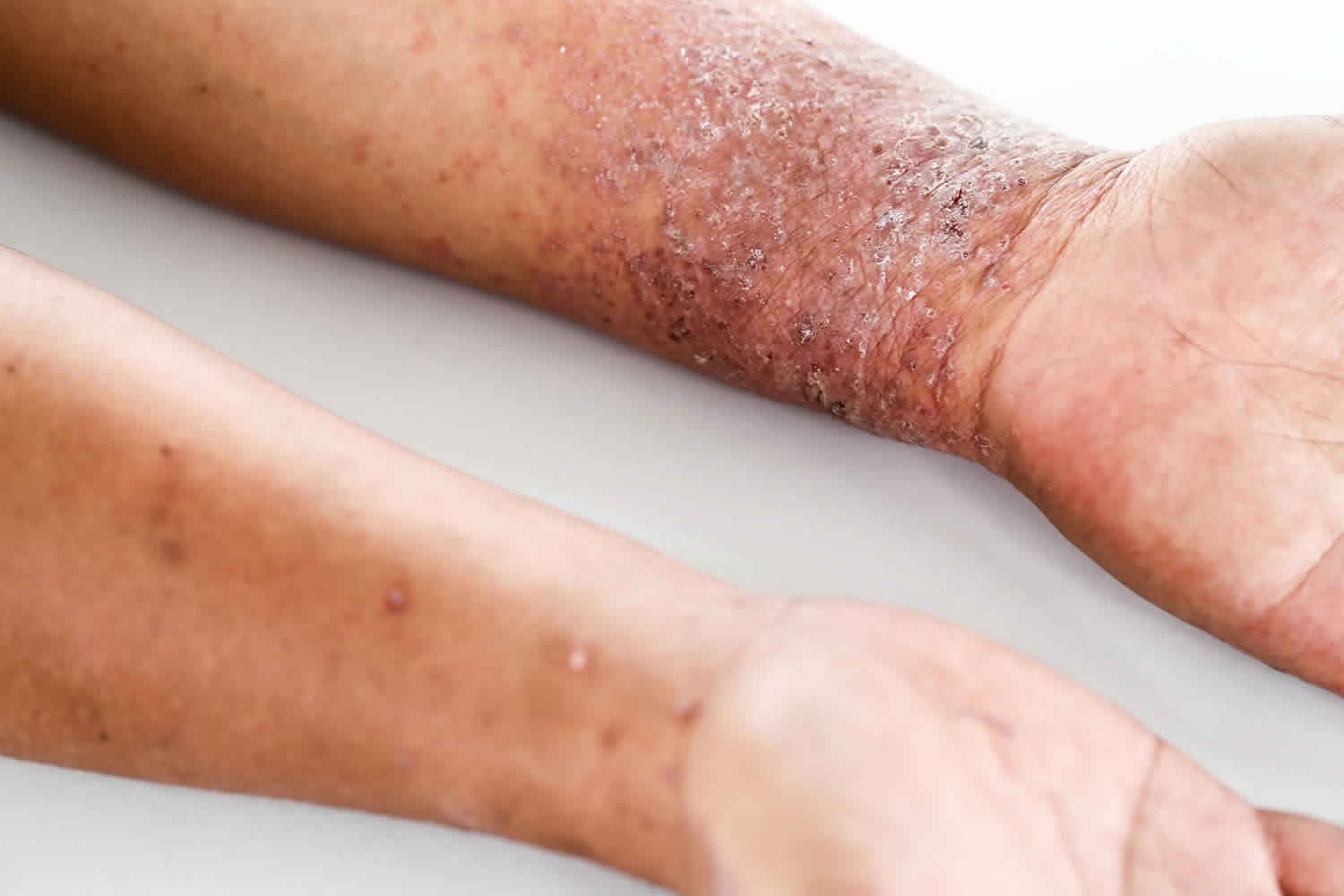
Dark, thickened, and rough patches of skin, typically found in the neck, armpits, or groin. These skin changes are related to high insulin levels and insulin resistance — a common issue in PCOS.
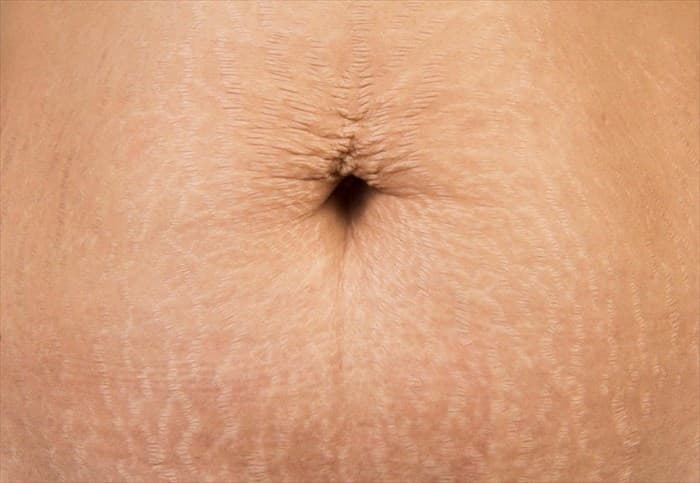
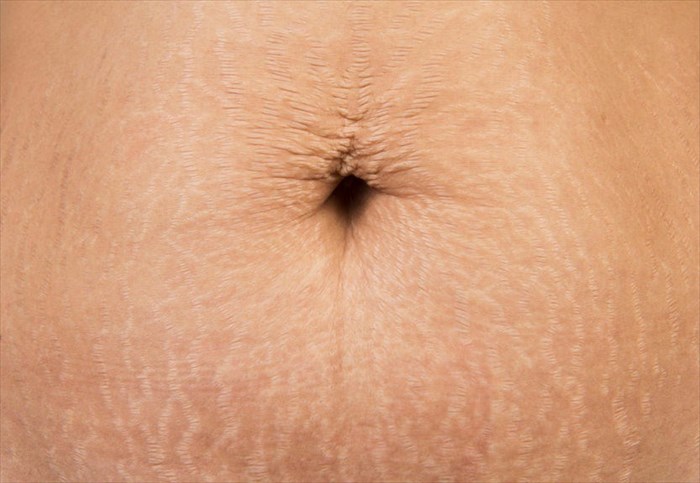
Stretch Marks (Striae)
Red or purple streaks that may later turn pale. Caused by rapid weight changes or hormonal imbalances, and frequently found in women with PCOS, especially if overweight or obese.
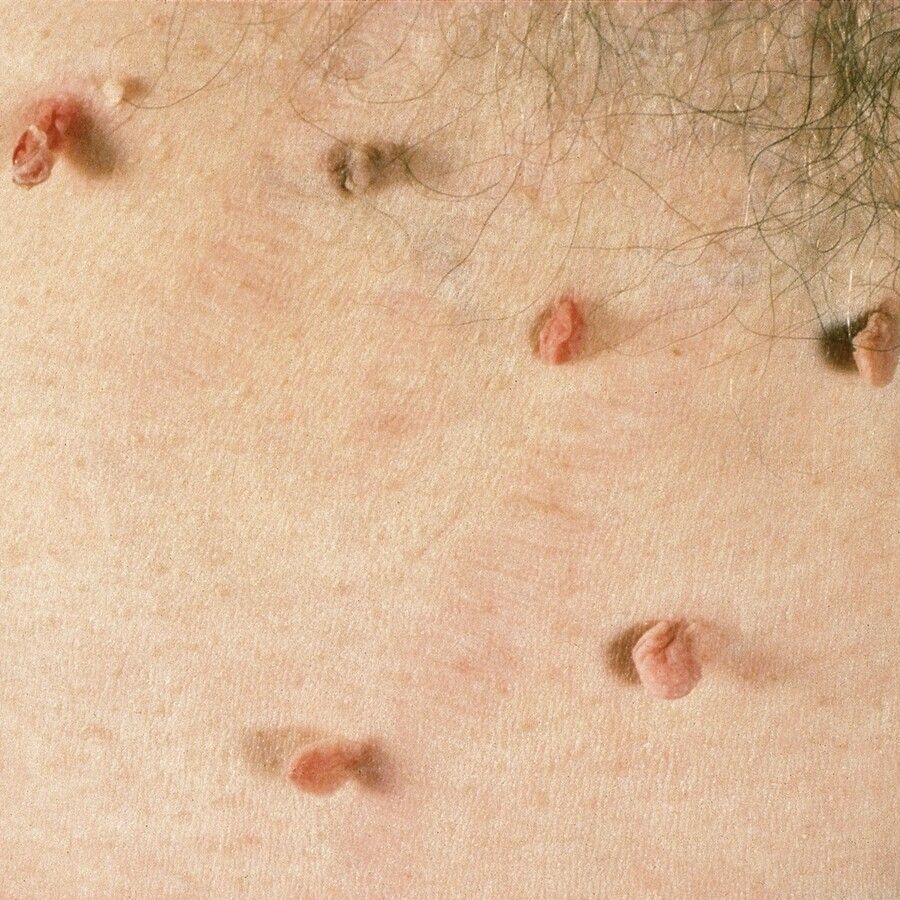
Skin Tags (Soft Fibromas)
Small, soft, flesh-colored growths commonly found on the neck, underarms, chest, or groin area. While harmless, they are more frequent in people with insulin resistance and can be removed for aesthetic reasons.
Diagnosis
PCOS is diagnosed based on a combination of:
-
Clinical symptoms such as hirsutism, acne, and menstrual irregularities
-
Blood tests showing elevated androgen levels
-
Ultrasound evidence of polycystic ovaries
-
Ruling out other causes of similar symptoms
Dermatological signs often appear first, so skin-related complaints may offer early clues to a PCOS diagnosis.
Treatment Options
Treatment for PCOS is tailored to each patient. The primary goal is to reduce androgen levels and manage the symptoms.
Lifestyle Modifications
Balanced nutrition, regular physical activity, and weight management can significantly improve hormonal balance and reduce skin symptoms.
Hormonal Therapy
Medications such as oral contraceptives or anti-androgens are often used to normalize hormone levels, reduce acne, and slow down unwanted hair growth.
Symptom-Specific Treatments
Topical or oral acne medications, laser hair removal, and cosmetic dermatology procedures (e.g. cryotherapy, electrocautery, laser treatment) may be recommended for visible skin concerns.
When to See a Dermatologist
You should consult a dermatologist if you experience:
-
Sudden or increased hair growth in unusual areas
-
Persistent acne that doesn't respond to standard treatments
-
Noticeable hair thinning or scalp visibility
-
Darkening or thickening of the skin in folds
-
Small skin growths on the neck, chest, or underarms
Conclusion
PCOS affects not only fertility and hormones but also your skin. Dermatological signs are often the earliest indicators of internal hormonal imbalances. Early detection and proper treatment can significantly improve both the appearance of your skin and your overall health and quality of life.