Introduction
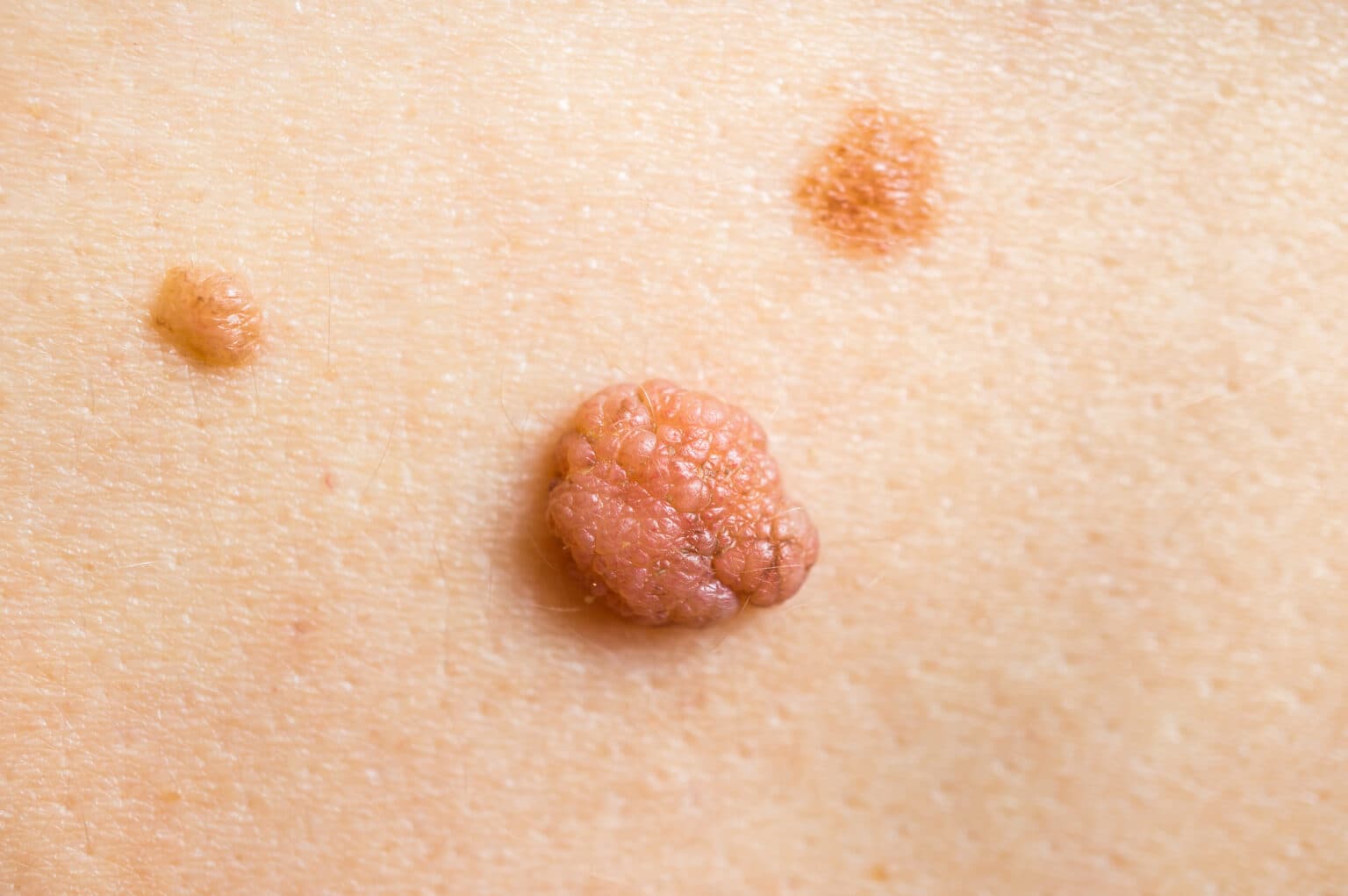
Moles are very common skin growths. Most people have several, and in the vast majority of cases, they are completely harmless. However, in certain situations, mole removal is medically necessary — especially if there are signs suggesting possible skin cancer.
In this article, we explain when mole removal is truly needed, when monitoring is sufficient, and what happens during a physical visit to a dermatologist’s office.
What Is a Mole?
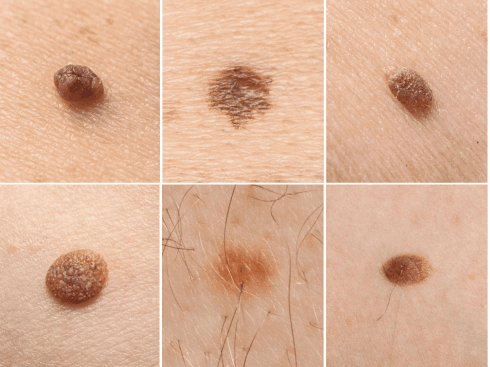
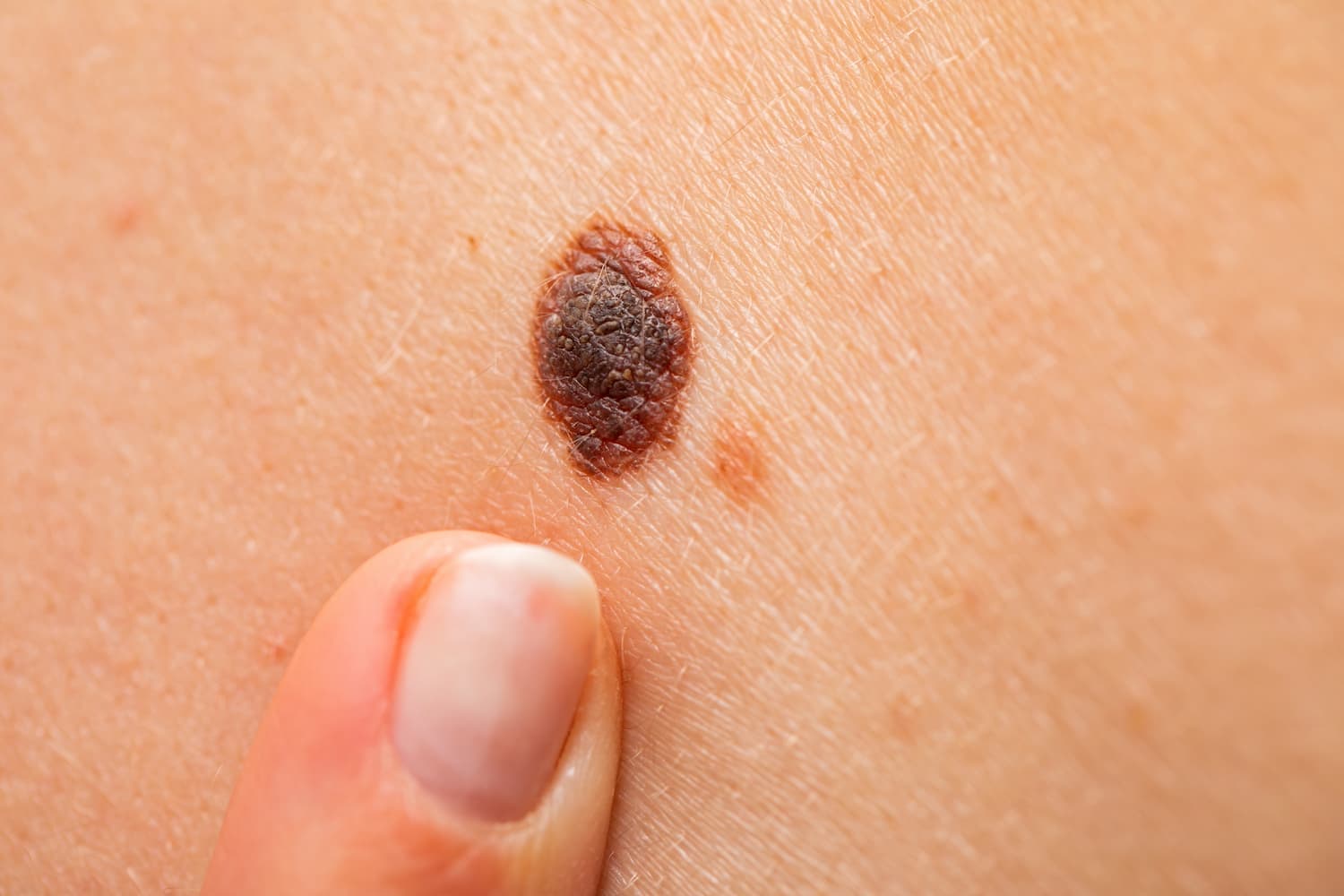
A mole (medical term: melanocytic nevus) is a skin growth formed by pigment-producing cells called melanocytes.
Moles can be:
-
Flat or raised
-
Light brown, dark brown, or almost black
-
Smooth or slightly irregular
-
Present from childhood or appear later in life
Most moles remain stable over time and do not cause health problems.
When Is Mole Removal Necessary?
1. Suspicion of Skin Cancer
The most important reason to remove a mole is suspicion of skin cancer, particularly melanoma.
Melanoma is a serious and potentially aggressive form of skin cancer that can develop from an existing mole or appear on previously normal skin.
Warning signs are evaluated using the ABCDE rule:
-
A – Asymmetry: One half does not match the other
-
B – Border: Irregular, blurred, or jagged edges
-
C – Color: Uneven color or multiple shades
-
D – Diameter: Larger than 6 mm
-
E – Evolving: Any change in size, shape, color, or symptoms (itching, bleeding)
If you notice any of these signs, a dermatology consultation is essential.
2. Rapid Changes
Even a previously harmless mole should be evaluated if it:
-
Grows quickly
-
Changes color or shape
-
Starts bleeding
-
Becomes painful or itchy
Sudden changes always require medical assessment.
3. Repeated Irritation or Trauma
A mole may not be dangerous but still require removal if it:
-
Is constantly rubbed by clothing
-
Is located in a shaving area
-
Frequently gets injured
In such cases, removal may help prevent repeated inflammation or bleeding.
4. Cosmetic Reasons
Some patients choose to remove a mole for aesthetic reasons, especially if it is located on a visible area such as the face.
Even in cosmetic cases, the mole should first be evaluated by a dermatologist to ensure it is benign.
When Is Monitoring Enough?
Removal is usually not necessary if a mole:
-
Has remained unchanged for a long time
-
Is symmetrical
-
Has clearly defined borders
-
Does not cause discomfort
In these cases, regular self-monitoring and periodic professional skin checks are sufficient.
What Happens During a Dermatology Visit?
During a physical consultation, the dermatologist will:
-
Perform a visual examination
-
Conduct dermoscopy
Dermoscopy is a non-invasive examination using a specialized optical device that allows the doctor to see deeper skin structures not visible to the naked eye. The procedure is painless and takes only a few minutes.
If the mole appears suspicious, the doctor will recommend surgical removal and send the tissue for histological examination (microscopic analysis).
How Is a Mole Removed?
If there is any suspicion of malignancy, the safest method is surgical excision.
The procedure typically involves:
-
Local anesthesia
-
Removal of the mole along with a small margin of healthy skin
-
Closure of the wound with sutures
-
Sending the removed tissue for laboratory analysis
The procedure usually takes 20–40 minutes.
Important: If melanoma is suspected, laser removal is not recommended because the tissue must be examined under a microscope.
Is Mole Removal Safe?
Mole removal is generally a safe and routine procedure. Possible but uncommon complications include:
-
Minor bleeding
-
Infection
-
Scar formation
Following post-procedure care instructions significantly reduces risks.
Aftercare
After mole removal, patients are advised to:
-
Keep the wound clean and dry
-
Change dressings as instructed
-
Avoid sun exposure during healing
-
Watch for signs of infection
Stitches are usually removed after 7–14 days, depending on the location.
Frequently Asked Questions
Can all moles turn into melanoma?
No. Most moles never become cancerous.
Can a mole be removed preventively?
Yes, particularly if it is repeatedly irritated or causes significant anxiety.
Can a mole grow back after removal?
If completely removed surgically, it typically does not return.
Conclusion
Mole removal is truly necessary when there is suspicion of malignancy, noticeable changes, or repeated trauma. In other cases, careful monitoring may be sufficient.
A professional evaluation by a dermatologist is always the safest step. Early detection of suspicious changes greatly improves treatment outcomes and overall skin health.